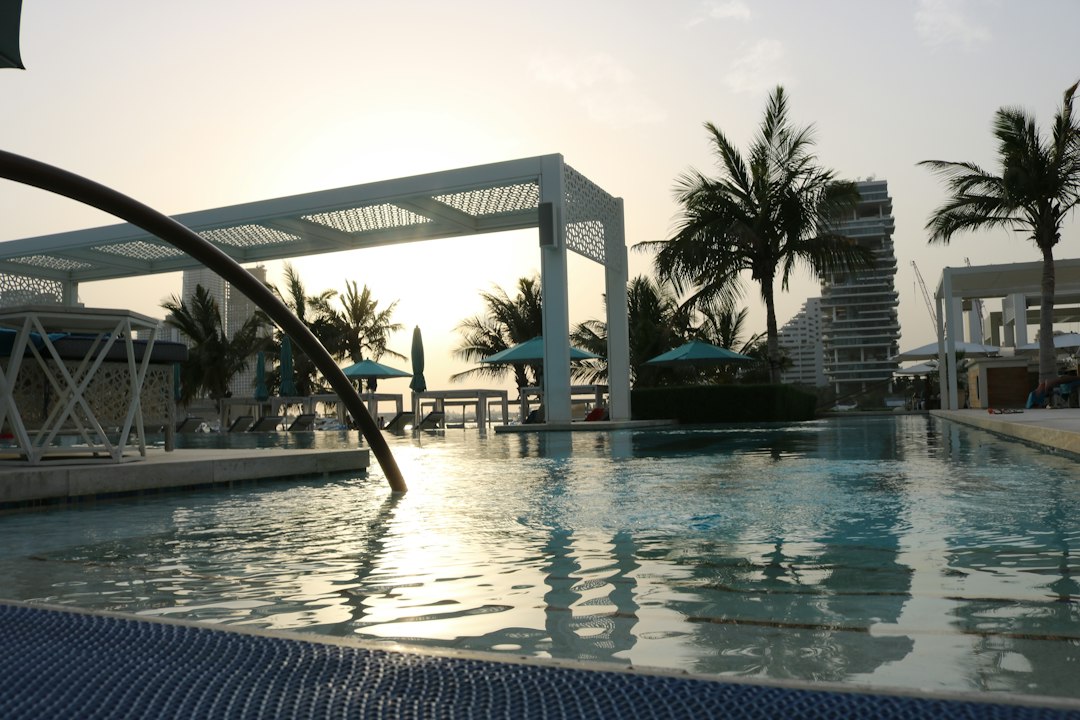
Vinyl swimming pools are often selected for their smooth surface and flexible design options. The liner creates a softer feel underfoot than rougher materials, which can be appealing for families and frequent swimmers. These pools can also be shaped to fit different yard layouts, making them a practical option for many Stone Mountain properties.
Yard slope, drainage patterns, and access to the installation area can all affect how a vinyl pool project is designed. A property with limited equipment access may need a different construction approach than a wide, open backyard. Thinking through fencing, decking, and how the pool will connect to the rest of the outdoor space can also help avoid layout problems later.
A vinyl liner needs routine care to stay in good condition over time. Water chemistry, cleaning methods, and sharp objects all play a role in how well the liner holds up through regular use. Homeowners should also understand that liners are not permanent components, so eventual replacement is a normal part of long-term pool ownership.
A vinyl swimming pool uses a custom liner stretched over a framed wall system and set over a shaped floor, usually with a smooth base under the liner. That structure gives homeowners more flexibility in size and layout than a fiberglass shell, which comes in pre-made shapes, and it usually provides a softer surface underfoot than concrete. Many families like that comfort, especially for kids who spend a lot of time climbing in, out of, and around the shallow end.
For Stone Mountain homes, that flexibility can matter. Explore services related to Pool Builders Stone Mountain GA when planning your next backyard project.. Backyards are not always wide open or perfectly square. Some lots have existing patios, trees, fences, grade changes, or property line limits that can make a standard shape harder to place. A vinyl pool can often be designed to work around those conditions, whether the goal is a more compact footprint, a curved outline, or space for steps, tanning ledges, and seating areas without overwhelming the yard.
Why that flexibility matters:
Maintenance expectations are also part of the decision. Concrete pools offer strong design freedom, but their surface can be rougher and usually needs more surface-related upkeep over time. Fiberglass has a smooth finish and low routine care, but the shape options are more limited because the shell arrives as one piece. Vinyl falls in the middle for many homeowners: customizable, comfortable, and often practical for family-focused use.
The main tradeoff is the liner itself. It can wear, puncture, or eventually need replacement, so appearance and upkeep should be viewed realistically. Homeowners should think about how they use the yard now, how much deck and play space they want to preserve, and whether they prefer maximum design freedom or the simplest long-term maintenance path.
Vinyl pools give homeowners a lot of flexibility without making every decision feel overly complicated. You can choose from a wide range of shapes, from clean rectangles that suit a more formal look to freeform layouts that soften the yard and work around existing trees, slopes, or property lines. Size and depth should match how the pool will actually be used. A shallow, wider layout may make more sense for lounging, games, and family use, while a deeper section may matter if you want a diving area, assuming the space and design allow for it.
Key design features to consider:
The surrounding deck ties everything together. Material, color, and layout influence safety, drainage, and how the space functions for seating, walking, and outdoor living. A good plan considers sightlines from the house, sun exposure, and how people will move through the yard. The goal is a pool that looks right, fits the property, and supports the way you plan to use it.
The shape of the yard affects where a vinyl pool can go and how complex the build may become. A noticeable slope may require grading, retaining walls, or a raised pool profile to create a stable installation area. Those changes can also affect patio height, step placement, and how the pool connects to the house. In Stone Mountain, lots with uneven terrain often need extra planning early so the final layout feels level, safe, and practical.
Water should always move away from the pool, nearby structures, and the home’s foundation. Existing drainage swales, low spots, and downspout outlets can limit placement or require corrections before construction begins. Poor drainage can lead to standing water around the deck, soil movement, and added pressure on the pool area after heavy rain. A good plan addresses runoff before excavation starts, not after problems appear.
Construction equipment needs a workable path into the backyard, and tight access can change the project scope. Fences, narrow side yards, septic areas, and overhead lines may limit how materials and machinery reach the dig site. When access is restricted, builders may need smaller equipment or more manual labor, which can affect scheduling and design choices. It is also important to consider where soil will be staged and how existing landscaping will be protected.
Pool placement has to respect property setbacks as well as underground and overhead utility locations. Easements, gas lines, water lines, sewer connections, and electrical service can all reduce the buildable area in a yard. These constraints sometimes move the pool farther from the house or change its size and orientation. Locating utilities early helps avoid redesigns, delays, and damage during excavation.
A well-placed pool should work with the rest of the yard, not crowd it. Tree placement, shade patterns, and sun exposure all affect comfort, maintenance, and how often the pool gets used. Trees can add privacy, but roots and falling leaves may create long-term issues if they are too close. It also helps to plan clear movement between the house, pool, seating areas, and any future outdoor features so the space feels connected and practical.
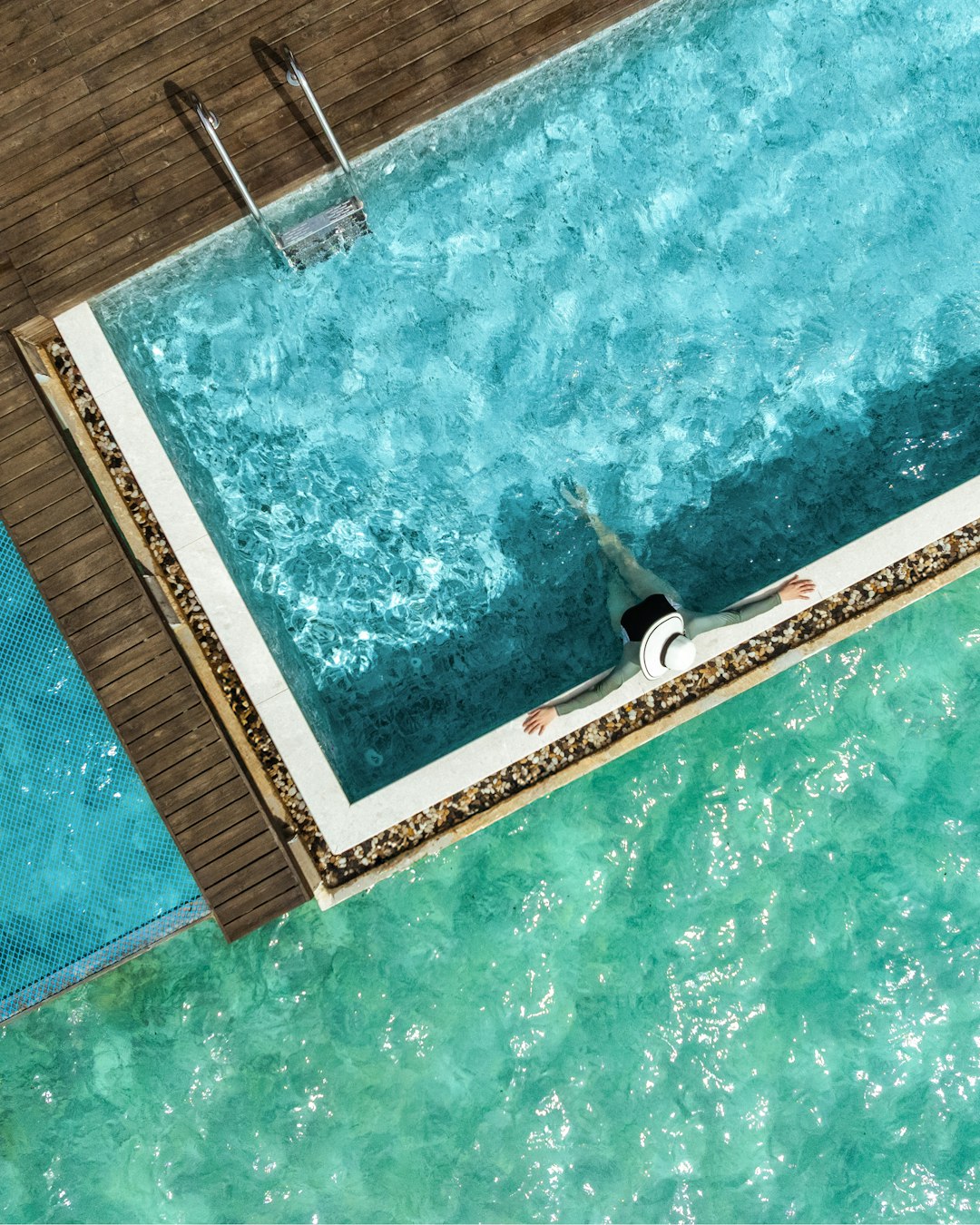
Most vinyl pool projects begin with an on-site consultation and design review. At this stage, homeowners usually discuss pool size, shape, depth, entry steps, liner pattern, and where the pool will sit on the lot. This is also when practical issues come up, such as drainage, access for excavation equipment, existing trees, utility locations, and how the pool will connect with patios or fencing.
Excavation is often the first major visible change. After the hole is dug, the crew installs the pool walls and begins floor preparation. For a vinyl pool, the floor must be shaped carefully to create the final depth profile and provide a smooth base under the liner. At this point, homeowners may need to confirm details such as step placement, shallow-to-deep transitions, and any built-in features.
Once the layout is approved, the next step is permitting and site preparation. Permit timelines vary, and inspections may be required before work can move forward. Homeowners should expect the builder to mark the pool location and confirm setbacks, easements, and utility lines before digging starts. If the yard has slope or limited access, that can affect the plan and schedule.
Typical installation stages include:
After the structure is ready, the liner is installed and fitted into place. Plumbing lines, skimmers, returns, and main drains are connected, and the filtration equipment is set and tested. Once the pool begins filling, the installer monitors liner fit and system operation. The final phase usually includes decking, coping, cleanup, and startup. Homeowners should expect a walkthrough on basic equipment use, water care, and what to watch during the first days after the pool is filled.
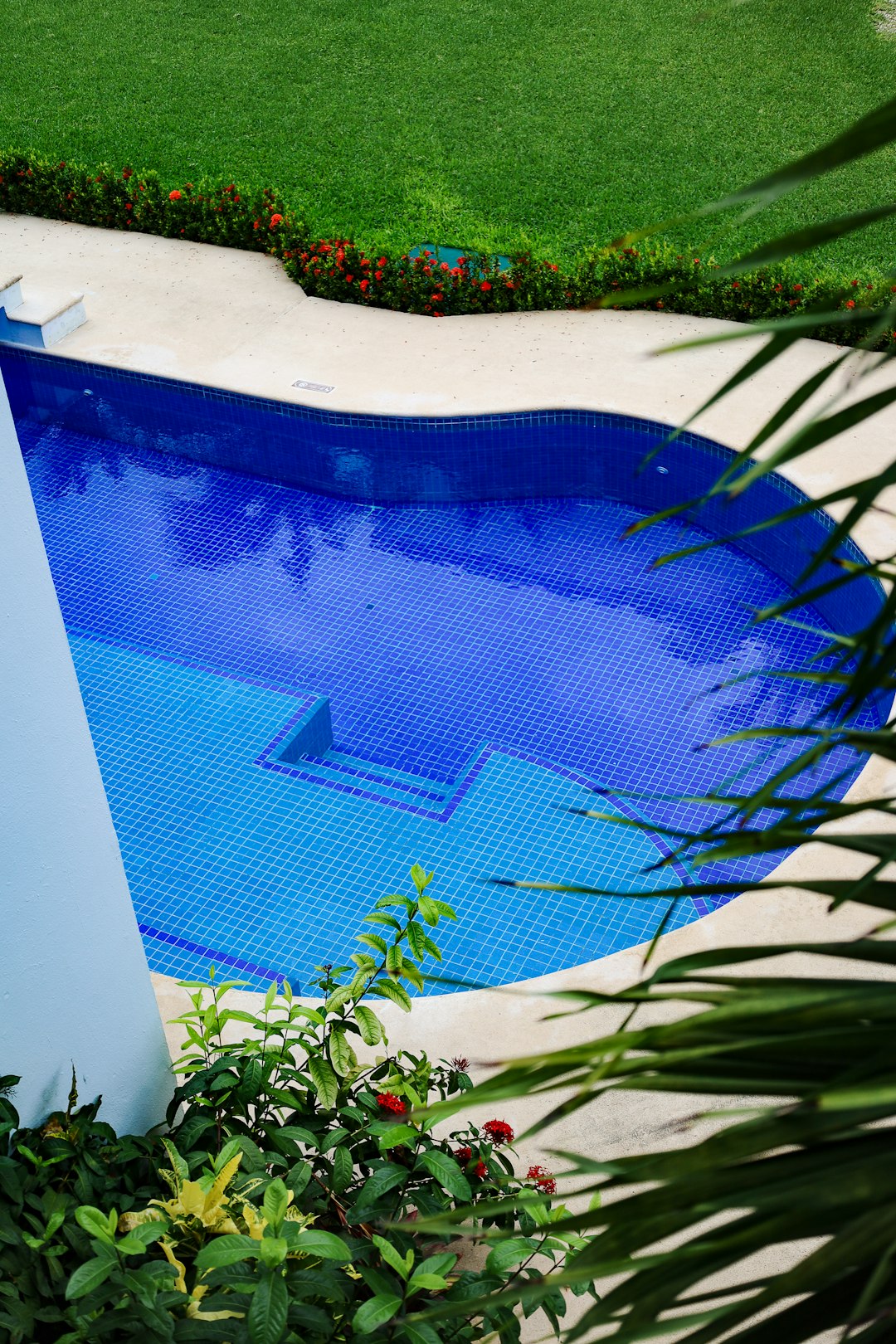
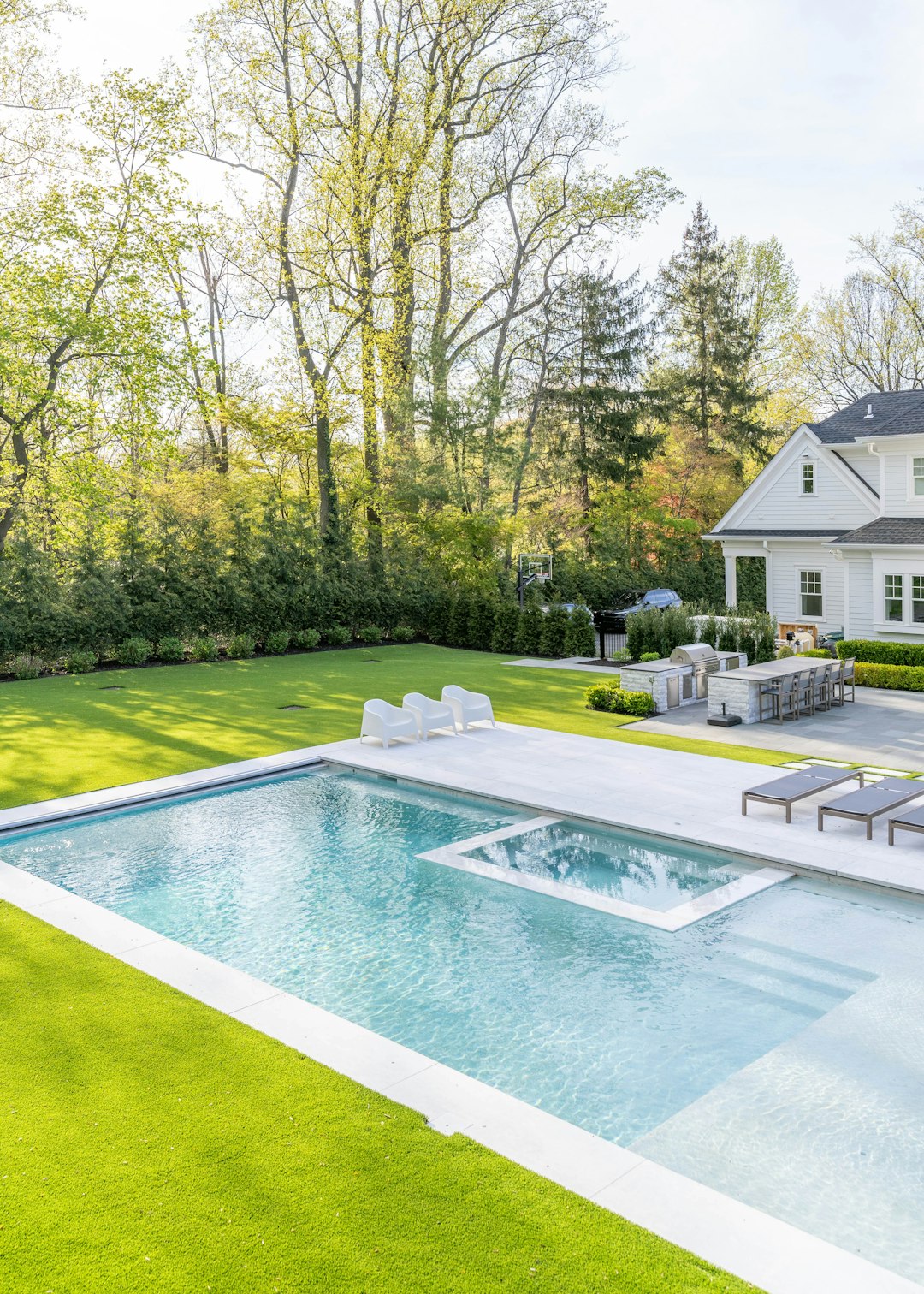
The final price of a vinyl pool depends on a few major choices, and the biggest one is usually size and shape. A larger pool uses more materials, requires more excavation, and often needs more water, decking, and equipment capacity. Custom shapes, tanning ledges, steps, and deeper sections can also raise the cost because they add labor and design complexity.
Site conditions matter just as much. A yard with limited access, steep grading, drainage issues, retaining walls, or rocky soil can increase excavation and installation work. In some properties, tree removal or extra soil hauling may also be needed. These are not cosmetic items. They are part of what it takes to build the pool correctly and protect it over time.
Some expenses are essential, while others are upgrades. Core components usually include the pool shell, liner, filtration system, pump, basic electrical work, and required safety features such as fencing or gates, depending on local code. Decking is also a practical need, but the material you choose can shift the budget significantly. Basic concrete costs less than decorative finishes, pavers, or larger entertainment areas.
Common budget factors include:
Optional features are where costs can change quickly. Homeowners often add heaters, automatic covers, LED lighting, water features, salt systems, in-floor cleaning, upgraded stairs, or built-in benches. Landscaping, outdoor lighting, and privacy screening are also separate from the pool itself, but they affect the finished look and how the space functions.
A good way to prioritize spending is to focus first on structure, circulation, safety, and usable deck space. After that, choose upgrades that improve comfort, maintenance, or long-term enjoyment rather than trying to add every feature at once.
Vinyl pools need consistent but straightforward care. Water chemistry is the first priority because a liner can be damaged by water that is too acidic, too alkaline, or poorly sanitized. Test the water regularly during swim season and adjust chlorine, pH, alkalinity, and stabilizer as needed. Balanced water helps prevent staining, scaling, fading, and premature liner wear while also keeping the water comfortable for swimmers.
Basic care priorities include:
Cleaning matters too. Skim leaves and debris often, brush the walls gently with tools made for vinyl surfaces, and vacuum the floor to keep dirt from settling into wrinkles or seams. Avoid stiff brushes, sharp-edged vacuums, or abrasive cleaners. Those can scratch or weaken the liner surface. If sunscreen residue, pollen, or fine debris builds up, cleaning it early is easier than waiting until it becomes a stubborn film.
Seasonal upkeep protects both appearance and equipment. Keep the water level where it should be so the skimmer and circulation system work properly. Clean pump baskets and filter media on schedule, and watch for reduced flow, noisy pumps, air bubbles in the return lines, or pressure changes at the filter. Those can point to clogs, leaks, or failing components that are easier to address before they become larger repairs.
Owners should also watch for liner wrinkles, fading, brittle spots, loose coping, and stains around steps or corners. Small issues can become larger if ignored. In cooler months, proper winterizing is important in Georgia when freezing weather is possible. Lowering water incorrectly, leaving debris in the pool, or shutting equipment down without preparation can shorten the life of the liner and plumbing. Simple habits, done regularly, usually make the biggest difference over time.
One of the biggest mistakes is treating the pool shell as the whole project. In Stone Mountain, yard slope, access for equipment, tree roots, retaining walls, and drainage patterns can affect design choices, installation complexity, and long-term performance. A pool that looks simple on paper may require extra grading, excavation planning, or water management once the site is evaluated. If those conditions are overlooked early, homeowners often end up changing the layout or cutting features later.
Common site conditions to review:
Another common issue is choosing features based only on appearance without thinking about upkeep. Steps, tanning ledges, water features, attached spas, and surrounding landscaping all add to the finished look, but they also affect cleaning, circulation, and maintenance routines. More corners and shallow lounging areas can collect debris. Nearby plantings may drop leaves and pollen into the water. It helps to ask how each feature will affect day-to-day care, not just how it will look when finished.
Decking and drainage are also easy to underestimate. The pool itself may fit the yard, but the usable space around it matters just as much. You need enough room for walking, seating, entry points, and safe movement on wet surfaces. Water should drain away from the pool area and the house rather than collecting against the deck or washing soil toward the pool walls.
Cost can be another trap when it becomes the only deciding factor. A lower initial price may leave out important site work, better circulation equipment, or practical layout improvements that make the pool easier to use. A better approach is to compare tradeoffs carefully and choose a design that fits the property, maintenance expectations, and how the pool will actually be used.